







Search Results for: advertising controversy
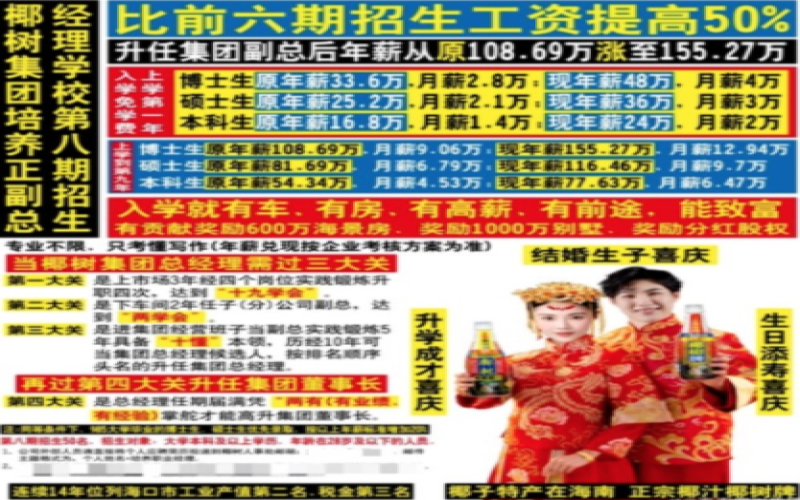
Coconut Palm Group's eighth recruitment drive offers annual salaries up to 480,000 yuan, sparking heated debate and controversy with its changed advertising style.
Coconut Palm Group recently released an advertisement for the eighth intake of its training school for deputy general managers, drawing attention with a maximum annual salary of 480,000 yuan and generous perks such as a car and housing upon enrollment, while also replacing its previous sexy model images with a festive wedding style, sparking heated discussion among netizens. This is not the first time Coconut Palm has found itself in controversy over its advertising—over the years it has persisted in borderline marketing and has been penalized by regulators multiple times, including a 400,000 yuan fine in May this year for using state agency personnel in commercial marketing and for advertising slogans that violate public order and good morals. This article will review the details of this recruitment drive, the changes in advertising style, and Coconut Palm Group's repeated history of marketing violations. [more…]
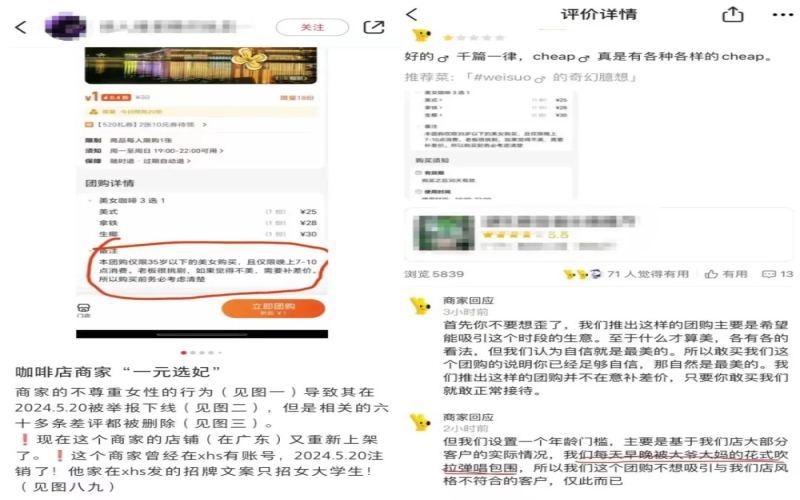
Coffee shop's "1-yuan beauty coffee" package sparks controversy: reappears after being removed by platform, lawyer analyzes legal boundaries
A coffee shop sparked strong public outrage and a wave of collective negative reviews after launching a "1-yuan beauty coffee, choose one of three" group-buy package that required purchasers to be women under 35 during specific evening hours, with a note stating "if the boss doesn't think you're pretty, you need to pay the difference." The shop once explained it wanted customers to match the store's style, but this failed to quell the controversy, and it was subsequently taken offline by the platform and had its social media account canceled. Recently, the shop relaunched, and although the controversial package had disappeared, netizens once again gave low ratings, causing it to be taken offline a second time. A lawyer from Legal Daily pointed out that the package was suspected of violating the Advertising Law and the Civil Code, while the netizens' excessive criticism may constitute cyberbullying. Front Street Coffee reminds that both merchant promotion and platform review need to strictly adhere to legal bottom lines. [more…]
Tea Yan Yue Se's advertising copy sparks controversy, issues two apologies overnight—where are the boundaries of brand marketing?
Sexy Tea (Chayan Yuese) trended on social media after its advertising copy was accused of insulting women, and it issued two apology statements late on February 19 and in the early hours of February 20. The incident was triggered by the inappropriate use of Changsha slang such as "picking up scraps" on its cups, which sparked netizens' doubts about the brand's creative boundaries. The first apology failed to calm public opinion, and Sexy Tea then issued another statement, admitting that it had mishandled the boundaries in its early product creation and had removed the problematic products from sale. This controversy not only exposed the brand's missteps in using dialect slang and gender-relation jokes, but also prompted reflection on balancing marketing creativity with values. [more…]
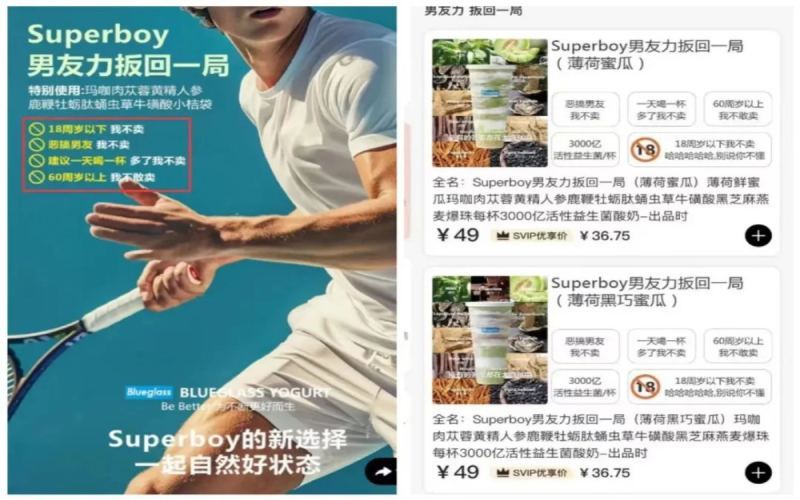
Yogurt brand Blueglass launches "Boyfriend Power" series, controversial suggestive advertising triggers dispute and regulatory investigation
Recently, the yogurt brand Blueglass launched the "Superboy Boyfriend Power Comeback" series, adding traditional Chinese medicine ingredients such as Cistanche, Polygonatum, ginseng, deer whip, and oyster peptides. The intention might have been to promote a health concept, but it was questioned for borderline marketing due to the poster labeling it "18+" and suggestive copy. Similarly, Coconut Palm brand coconut juice was fined 400,000 yuan for vulgar advertising slogans, yet it generated over 5 billion yuan in sales. In an era where traffic is king, eye-catching marketing emerges endlessly, but not all of it yields good results. After Blueglass was exposed, the Shanghai Municipal Administration for Market Regulation has launched an investigation, and the relevant copy was revised and republished. However, the negative label brought by borderline marketing may not be easily erased from consumers' minds. [more…]
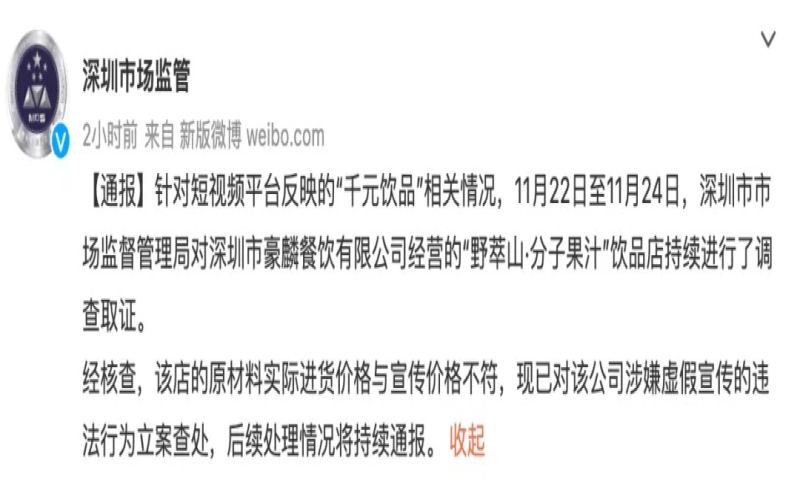
Heytea's Thousand-Yuan Olive Juice Under Investigation: The Controversy Over False Advertising and the Truth Behind the High Price of Chaoshan Olives
Recently, Shenzhen's Heytea was investigated by regulators for suspected false advertising over a cup of olive juice priced at a thousand yuan, sparking heated discussion among netizens. Many consumers left comments on Weibo asking whether they could get a refund with their receipt, and the incident once again reminds everyone to consume rationally. Meanwhile, why can Chaoshan olives sell for such a high price? This article analyzes the whole story of the incident, the regulatory investigation, and raw material costs, taking you through the business logic behind the thousand-yuan juice and the preciousness of Chaoshan olives. [more…]
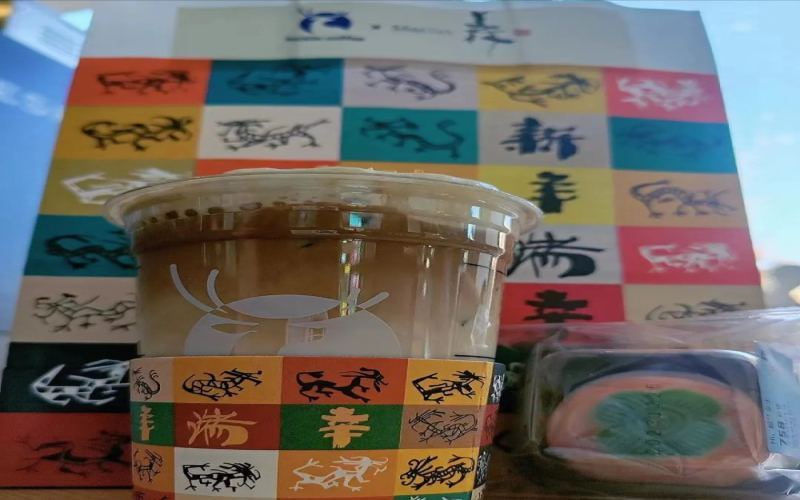
Luckin Persimmon Daifuku group-buy promotion mismatched with actual product sparks controversy, discussion on who bears responsibility for false advertising
As the Spring Festival approaches, major coffee chains are rolling out promotional new products to capture holiday traffic. After launching the Year of the Dragon sauce-flavored chocolate in a second collaboration with Moutai, Luckin Coffee quickly followed up with the Han Meilin co-branded New Year Red Dragon Latte and a matching dessert, Persimmon Daifuku. However, this dessert, which had been highly anticipated, drew complaints from consumers who said the group-buy advertising seriously mismatched the actual product, sparking heated discussion about false advertising and where responsibility lies. Some netizens argued that Luckin cannot escape blame for lax review, while others pointed out that the root cause is some group-buy bloggers using footage of other products to earn commissions. Behind the incident, the review mechanisms of brand marketing and the issue of consumer trust are worth pondering. [more…]

Starbucks India's transgender-themed ad sparks a public backlash, but the company responds that market reception has been good.
Global coffee chain giant Starbucks recently released a scenario-based advertisement in the Indian market with a transgender theme, starring well-known transgender actress Sia, telling a heartwarming story of an Indian couple gradually accepting their child's gender identity transition. Once the advertisement was published, it caused an uproar on local social media, with supporters praising it for conveying an inclusive message, while opponents called for a boycott. Facing polarized public opinion, Starbucks officially responded that the advertisement had "received a good response" in India. Is this brand marketing around gender issues a successful breakthrough or a misstep? This article will walk you through the full picture of the incident and the voices from all sides. [more…]
Starbucks Faces Class Action Lawsuit Over Fruit Beverage Ingredient Controversy, Brand Naming and Actual Ingredients Draw Scrutiny
Starbucks' fruit cold drink series recently faced a class action lawsuit in New York, where a Queens consumer alleged that the product names imply the inclusion of specific fruits, while they are actually mainly composed of water, concentrated grape juice, and sugar. The lawsuit argues that the product naming constitutes an "implied promise" about the ingredients, violating New York regulations that prohibit fraud and false advertising. The products involved include the Mango Dragonfruit, Pineapple Passionfruit, Strawberry Acai series, among others, with the disputed amount exceeding $5 million. Starbucks headquarters stated it has not yet received the lawsuit and declined to comment for now. The incident has sparked widespread discussion about the authenticity of beverage labeling and consumer expectations. Front Street Coffee continues to monitor trends in the coffee and beverage industry, providing professional information for enthusiasts. [more…]
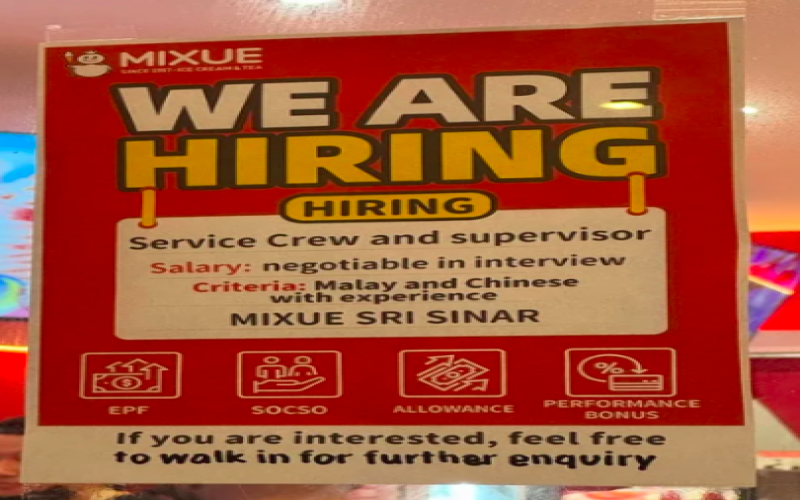
Racial Controversy Erupts Over Hiring Conditions at Mixue Malaysia Stores, Company Responds Indirectly with Unity-Themed Content
Recently, a Mixue store located in Segambut, Malaysia, came under scrutiny from netizens due to a job advertisement that specified "experienced Malays and Chinese are required," which was accused of being racially discriminatory. As a multi-ethnic nation, Malaysia's main ethnic groups include Malays, Chinese, and Indians. The poster believed that this requirement excluded Indians and other ethnicities, which was unfair. The incident quickly went viral on social media, sparking widespread discussion. Some netizens criticized the brand's inappropriate practice and called for a boycott, while others argued that the controversy stemmed from a misinterpretation of the language proficiency requirement. Notably, Mixue did not directly respond to the controversy but instead released a series of promotional content themed "United as One," showcasing employees of diverse races, seemingly intending to emphasize its inclusiveness. [more…]
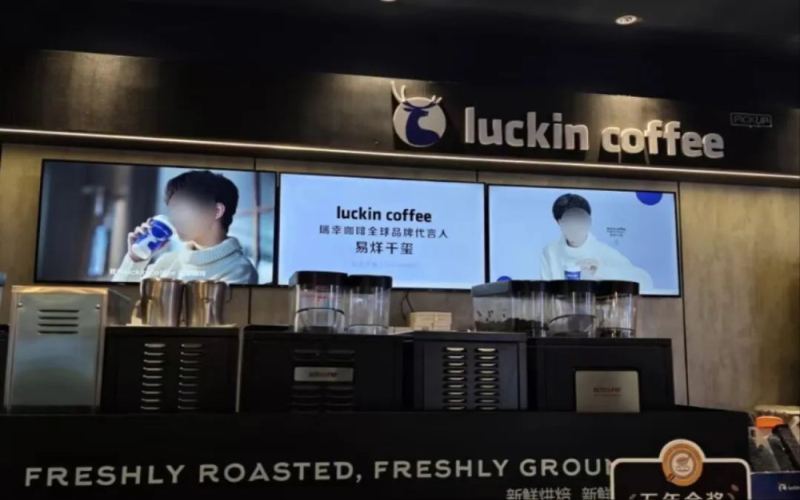
Luckin Coffee store photo controversy: customer photographing an ad featuring Jackson Yee was asked to stop, official customer service responds there is no such rule
Recently, after Luckin Coffee signed Jackson Yee as its brand ambassador, fans flocked to stores to take photos as mementos. However, some customers reported being discouraged by staff when photographing the in-store TV loop advertisements, with staff claiming photography was prohibited inside the stores. This incident sparked widespread discussion, with some employees confirming such a rule exists, while more employees said there were no related restrictions. Luckin's official customer service responded that there is no rule against taking photos and that they would verify the situation. The incident reflects inconsistent management standards across brand stores and has left fans disappointed in their expectations for ambassador promotions. Front Street Coffee follows developments in the coffee industry and brings you a summary of the entire incident. [more…]

Lele Tea's Lu Xun collaboration "Smoky Oolong" criticized by CCTV.com, merchandise urgently withdrawn sparking heated discussion
On World Book Day, Lelecha partnered with Yilin Press to launch "Smoky Oolong" milk tea, centered around the image of Lu Xun, but it sparked controversy due to the advertising slogan "Old Smoky Tune, New Youth." CCTV.com published an article criticizing the collaboration for turning a literary master into entertainment and for inappropriate wording. Subsequently, Lelecha urgently removed the related merchandise and promotional posts. Behind the incident, the boundary issues of tea beverage brands collaborating with historical figures have once again drawn attention. Front Street Coffee takes you through the whole story. [more…]

OATLY oat milk moves from the streets of Paris to painting walls in rural China, creative marketing sparks polarized debate among netizens
OATLY, an oat milk brand well known among coffee lovers, previously drew attention with graffiti advertisements on the streets of Paris, France. Recently, the brand shifted its marketing focus to rural China, launching a Spring Festival advertising short film themed "painting walls at the village entrance," spray-painting internet memes and warm copy urging people to go home onto red brick and earthen walls. This move sparked sharply divided reactions among netizens: some were deeply touched, believing it was more heartfelt than big city screens; others questioned the ad's limited reach, its weak connection to the product, and the difficulty of its pricing appealing to the target audience. This article reviews the creative highlights and points of controversy in this marketing campaign, and explores its market effects. [more…]
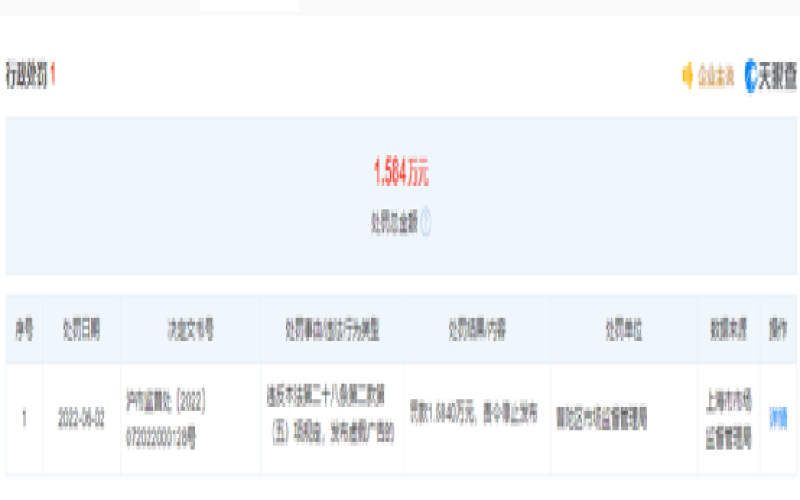
Nayuki Fined for False Advertising, New Tea Beverage Brands' Cultural Marketing Faces a Trust Test
Nayuki received a fine for a false advertisement regarding mulberry ingredients, drawing attention to its brand marketing methods. This is not the first time Nayuki has been embroiled in controversy; since its listing, multiple stores have been exposed or penalized for food safety issues. Meanwhile, Nayuki has been trying to connect with young consumers through cultural, artistic elements, and social marketing. From high-priced tea drinks to loss-making financial reports, to closing its largest store and establishing a new company, Nayuki is seeking a new path to survival. This article reviews the sequence of events, historical penalty records, and the multiple challenges the brand faces in marketing and operations, and explores the core of competition in the new tea beverage industry. [more…]

Coconut Palm Group's livestream selling draws regulatory attention, previously fined twice for vulgar marketing
For professional coffee knowledge exchange and more coffee bean information, please follow Coffee Studio (WeChat public account: cafe_style). For more specialty coffee beans, please add the private WeChat of Front Street Coffee (FrontStreet Coffee), WeChat ID: qjcoffeex. Recently, Hainan Yeshu Group has sparked widespread controversy due to its Douyin livestreaming style. The market supervision bureau has responded that it has received multiple reports and is studying a handling plan. The Yeshu livestream room features a female anchor in tight clothing dancing enthusiastically to sell products. The livestream has repeatedly been cut off by the platform, with average transaction volume of only a few thousand yuan per session. Previously, the brand was fined twice for violating good social customs, and was also questioned for false marketing over claims such as "breast enhancement miracle tool." This article will sort out the course of the incident, the regulatory response, and the brand's historical penalty records. [more…]
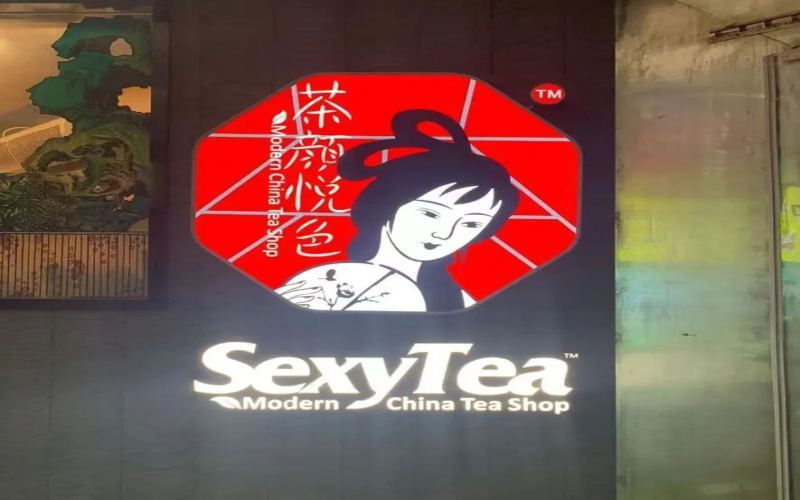
SexyTea, the English logo of Chayan Yuese, Sparks Controversy Again: An Expression of Charm or a Marketing Misstep?
Recently, Nanjing's third Chayan Yuese store sparked widespread discussion online for using "SexyTea" as its English signage. Some people believe the term clashes with the brand's classical and gentle tone, and may even be disrespectful to women; others feel that "Sexy" inherently means charming and attractive, and there's no need to overinterpret it. In fact, this is not the first time Chayan Yuese has fallen into controversy over its copy or signage. Previously, the "picking up scraps" cup copy prompted an apology for objectifying women. This article sorts out the sequence of events, various viewpoints, and regulatory responses, and includes professional coffee information channels for coffee enthusiasts and brand observers to reference. [more…]

Coffee machine ad featuring a semi-nude model sparks outrage—why does borderline marketing keep happening despite repeated bans?
In recent years, brand marketing tactics have proliferated, but some approaches frequently cross the line. A certain coffee machine brand sparked strong public backlash for using semi-nude models to demonstrate product settings in its advertising. From skin color hinting at concentration levels to scenes of kneeling to brew coffee, this series of moves was not only vulgar but also involved the objectification of women and racial bias. Although customer service claimed there was no violation, the images were quietly replaced. This article takes a deep dive into the brand logic behind this controversy, exploring why borderline marketing persists despite repeated bans and what real costs it brings to brands. For coffee lovers, we should focus more on the coffee itself rather than being led astray by gimmicks. [more…]
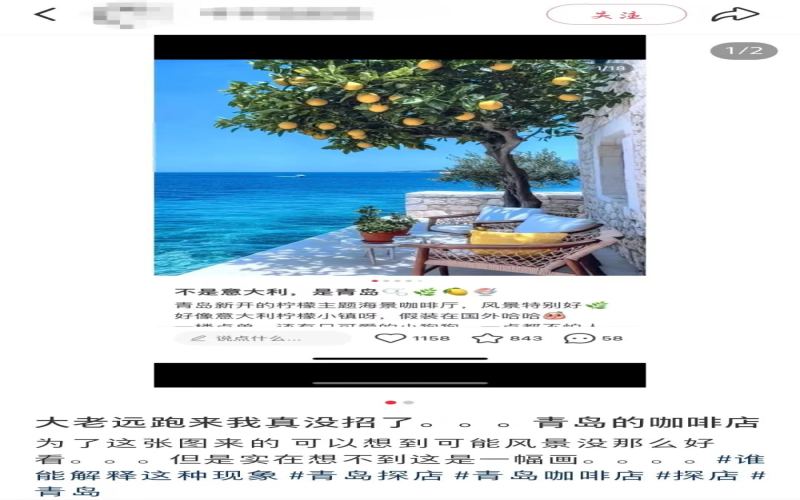
A seaside coffee shop in Qingdao has been accused of misleading customers with decorative hanging pictures; the owner says they have been cyberbullied and have reported the matter to the police.
Recently, a newly opened seaside coffee shop in Qingdao sparked controversy over a recommendation post featuring "lemon trees outside the window and the azure sea." Some netizens, drawn by the hype, visited the shop only to discover that the coveted sea view photo was actually a decorative painting hanging on the shop's wall. The recommendation post was accused of misleading consumers, and multiple accounts on social media platforms used similar images and text to recommend the shop, fueling speculation that "the shop was staging the whole thing." The owner responded that the recommendation posts were spontaneously published by customers, the hanging painting was just ordinary decor, and they never instructed anyone to take photos for promotion. Due to online harassment, they have decided to report the matter to the police. Lawyers pointed out that if the shop participated in or instigated the posting of false scene promotions, it would constitute false advertising and entail liability; if the posts were independently published by customers without the shop's involvement, it would not be illegal. The incident highlights the boundary issues surrounding the authenticity of shop-visit content on social media platforms. [more…]

Chongqing Man Coffee outlet demolished by mall in late-night forced eviction; ten-year lease only five years in, sparking controversy
Recently, the Maan Coffee branch at Chongqing Fuyuehui was reportedly forcibly demolished by the mall owner late at night. The store's equipment and furnishings vanished overnight, the interior was smashed, the entrance was barricaded, and advertising posters for the next tenant were already put up. The shop owner claims to have signed a ten-year lease with the mall, currently only in its fifth year, and has always paid rent and utilities on time, never defaulting even during the pandemic. After the incident, the owner called the police and posted a notice promising to refund customers' prepaid balances. However, some netizens expressed doubts about the poster's account due to last year's Maan Coffee runaway incident in Beijing. The operator clarified that the store had switched to independent operation and had nothing to do with the brand. Furthermore, a former tenant came forward alleging that the mall had repeatedly forcibly evicted tenants before their leases expired. The incident continues to escalate, and the mall has not yet responded. [more…]

Guming's Spring Festival Spinning Cup Sparks Controversy: Creativity Requires a Cup Sleeve, Missing Accessories at Multiple Stores Draw Consumer Complaints
Guming teamed up with Pan Hu Design Lab to launch a Spring Festival limited-edition "Fortune and Prosperity in Motion" themed packaging. One of the designs, a takeaway cup featuring a rotating interactive element, attracted considerable consumer interest thanks to its novel concept — some customers even placed orders specifically to collect the cup. However, many customers discovered upon receiving the actual product that the snake pattern on the cup body was hard to make out, and rotating the cup to the left as instructed produced no movement at all — a far cry from the dynamic effect advertised by the brand. Guming staff later explained that the rotating effect requires a special cup sleeve to work, and that this sleeve needs to be assembled. Due to the heavy order volume during the Spring Festival, some stores overlooked including it, which significantly undermined the customer experience. The incident sparked widespread discussion online, with some arguing that the promotional materials failed to clearly indicate the importance of the cup sleeve, while others pointed out that stores should ensure all accessories are complete before serving orders. [more…]

Fenbid joins forces with TPLUS Teahouse to launch a pop-up milk tea, netizens question: is there actually ibuprofen in the cup?
The painkiller brand Fenbid teamed up with TPLUS Tea House to open a milk tea pop-up store, launching the "Don't Endure the Night, Sweet Tea," but the cross-industry move by a pharmaceutical brand into food sparked heated debate among netizens. Some worried it could mislead consumers, while others questioned whether it was false advertising. Although the officials clarified that the drinks contain no medicinal ingredients, the controversy did not subside. Is this collaboration a warm-hearted marketing move or a brand overstepping its bounds? And where exactly lies the boundary for cross-industry partnerships? [more…]